
Standing in the hardware store aisle, staring at shelf after shelf of sprays, traps, and powders, you might wonder: can I really handle this pest problem myself? Or is it time to call in the pros? It's a question nearly every homeowner faces at some point, and the answer isn't always straightforward. The right choice depends on the pest you're dealing with, the severity of the infestation, your comfort level with chemicals, and how much time you're willing to invest. Let's break down what you need to know to make the best decision for your home and family.
DIY Pest Control: What You Can Realistically Handle
There's a genuine sense of satisfaction in solving your own problems, and pest control is no exception. For minor, isolated issues, the do-it-yourself approach can be effective, economical, and immediate.
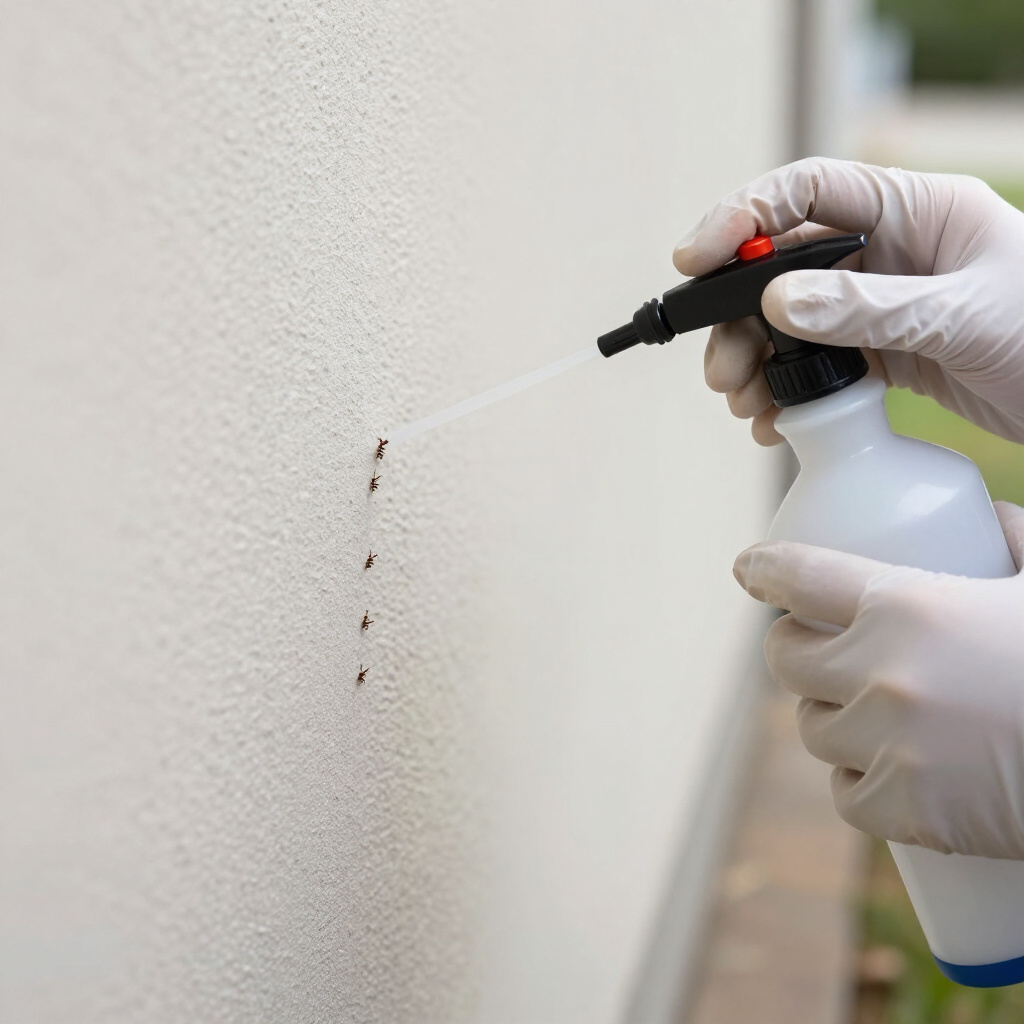
DIY methods work best for common, low-risk pests that haven't established large populations. Think of the occasional ant trail marching across your kitchen counter, a single wasp nest under your eaves, or a few spiders in your basement. Over-the-counter baits, sprays, and sticky traps can often knock these problems out quickly without much fuss.
The financial appeal is obvious. A $15 can of ant spray or a $25 box of bait stations costs significantly less than a professional service call. You also get instant gratification—no waiting for an appointment window or adjusting your schedule around a technician's visit.
However, DIY pest control comes with meaningful limitations. Store-bought products typically use lower concentrations of active ingredients compared to professional-grade materials, which means less potency and shorter residual effects. You're also responsible for proper identification, correct application, and knowing when a problem has exceeded your expertise. Misidentify a carpenter ant for a harmless field ant, and you could miss structural damage happening inside your walls. Apply a repellent spray incorrectly, and you might simply scatter cockroaches deeper into hiding rather than eliminating them.
Safety is another consideration that's easy to underestimate. Even readily available products require careful handling, especially around children, pets, and food preparation areas. Reading the entire label—really reading it, not skimming—matters more than most people realize.
Hiring a Professional: When Expertise Makes All the Difference
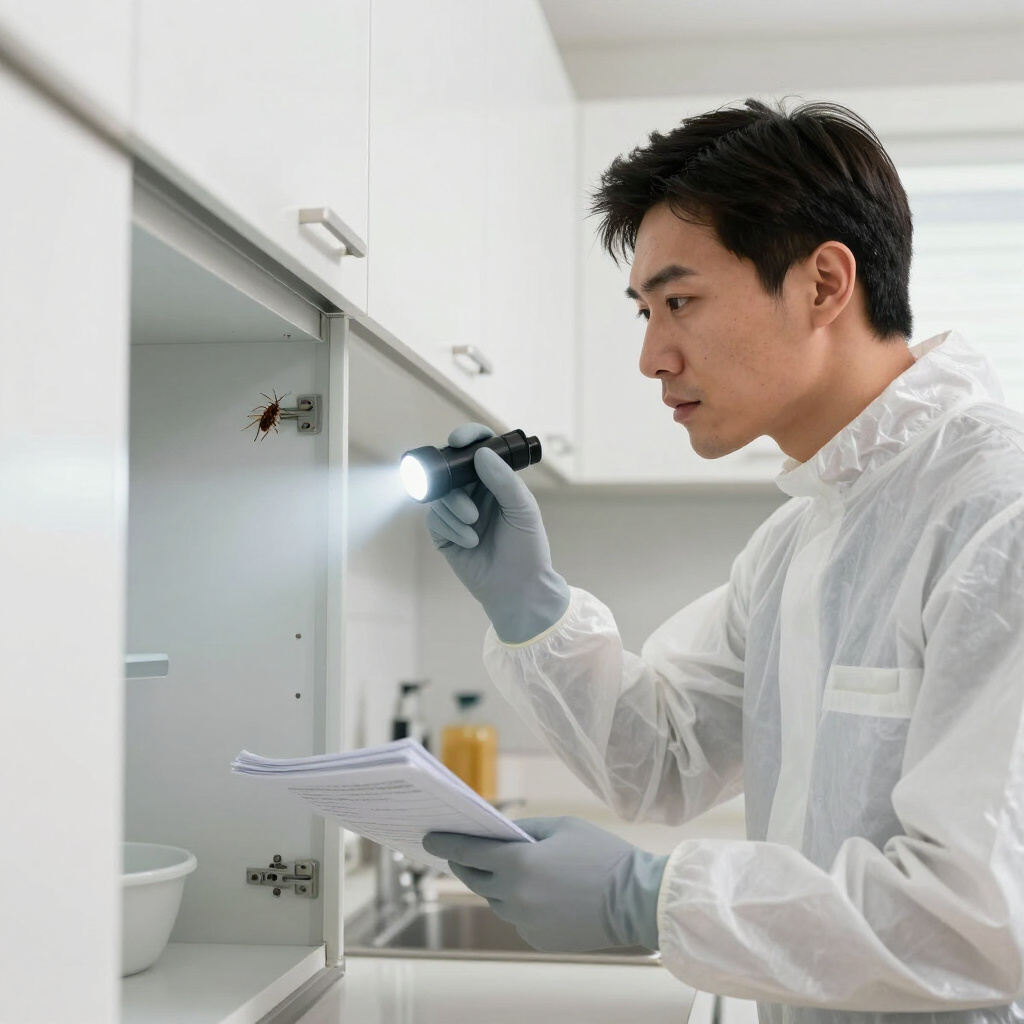
Professional pest control technicians bring training, experience, and access to tools that aren't available to the general public. Their value becomes apparent in situations where DIY approaches fall short.
Recurring infestations are the clearest signal that professional help is warranted. If you've treated the same problem multiple times and it keeps returning, you're likely addressing symptoms rather than the source. Professionals understand pest behavior, breeding cycles, and harborage preferences. They know that the ants in your kitchen might be nesting in a rotted window frame twenty feet away, or that those mice you're catching are entering through a gap you'd never notice without a trained eye.
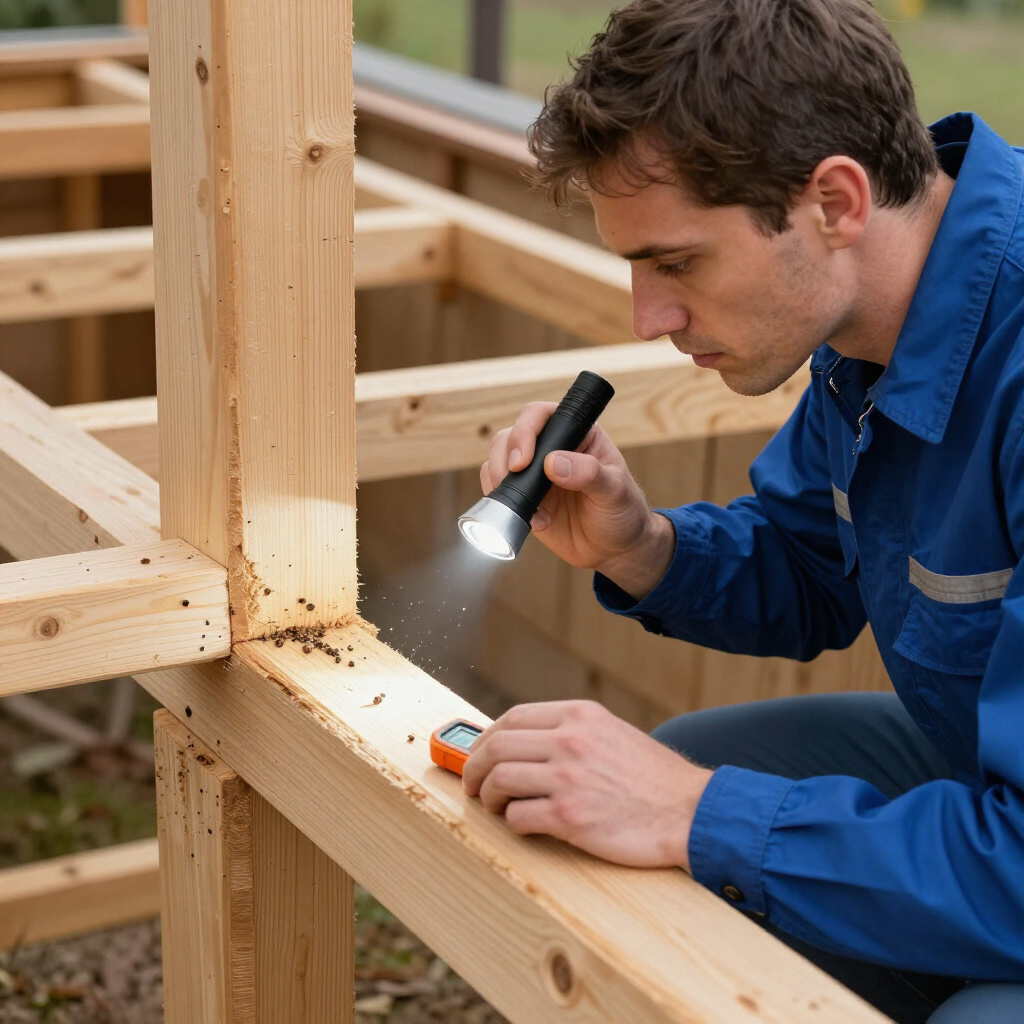
Termites, bed bugs, and extensive rodent problems almost always require professional intervention. Termites cause hidden, progressive damage that demands specialized detection equipment and treatment systems. Bed bugs have developed resistance to many common insecticides and require integrated approaches combining heat, targeted chemicals, and meticulous follow-up. Rodent infestations involve exclusion work, population reduction, and sanitation measures that go far beyond setting a few snap traps.
Licensed technicians also carry liability insurance and work under regulatory oversight, providing accountability that DIY efforts lack. They can apply restricted-use products with greater efficacy and longer-lasting results, and they understand how to minimize environmental impact while maximizing control.
The investment is higher upfront, but consider the hidden costs of DIY failure: repeated product purchases, property damage that worsens while you experiment, health risks from prolonged exposure to pests or improper chemical use, and the sheer time spent on trial and error. For many homeowners, professional service proves more economical in the long run.
Key Tips for Making Your Decision
Before you decide which path to take, honestly assess your situation using these practical guidelines.
Start with accurate identification. Capture a specimen or take clear photos, then use reliable resources to confirm what you're dealing with. Your local cooperative extension service offers free identification help, and many pest control companies provide no-cost inspections that at least clarify the scope of your problem.
Evaluate the infestation's scale. A few scattered signs suggest DIY may suffice. Multiple areas of activity, nighttime noises from wall voids, or visible damage to wood or wiring all point toward professional expertise.
Consider your constraints honestly. Do you have the time to research, implement, and monitor a treatment plan? Are you comfortable handling pesticides, or does the thought make you anxious? Do you have vulnerable household members—infants, elderly family, immunocompromised individuals, or pets with health issues—who raise the stakes for any chemical application?
If you proceed with DIY, commit to integrated pest management principles: exclude pests by sealing entry points, eliminate food and water sources, use the least toxic effective method first, and monitor results diligently. Never mix different products, always follow label directions precisely, and know when to recognize defeat and call for backup.
If hiring a professional, verify licensing and insurance, ask about their treatment approach and whether they offer guarantees, and request references from local customers. The lowest bid rarely represents the best value. Look for technicians who inspect thoroughly, explain their findings clearly, and customize treatment rather than applying one-size-fits-all solutions.
Final Thoughts
Both DIY pest control and professional services have their rightful place in protecting your home. The key is matching your approach to the reality of your situation rather than defaulting to habit or assuming one path is always superior. Minor, well-defined problems often respond well to informed homeowner action, while complex, persistent, or high-stakes infestations demand the knowledge and resources that professionals provide.
Perhaps the most valuable perspective is recognizing that these approaches aren't mutually exclusive. Many homeowners successfully handle routine prevention and minor issues themselves while establishing a relationship with a trusted professional for periodic inspections and emergencies. This hybrid strategy offers both autonomy and peace of mind—the confidence to address small problems promptly, coupled with expert support when challenges exceed your comfort zone.
Whichever path you choose, act decisively. Pests rarely resolve themselves, and delays typically allow problems to grow more extensive and expensive. Your home deserves protection, and making an informed, timely decision about how to provide it is the first step toward reclaiming your space.