

There's nothing quite like that moment of surprise when you spot a spider dangling in a corner or scurrying across the floor. For many homeowners, these eight-legged visitors trigger anything from mild annoyance to genuine anxiety. While spiders play a valuable role in nature by controlling insect populations, most people prefer to keep that ecosystem outside where it belongs. The good news? Keeping spiders out of your house is entirely achievable with the right combination of prevention, maintenance, and smart home practices.
How to Keep Spiders Out of Your House Through Exclusion and Sealing
The most effective spider control starts with making your home physically difficult to enter. Spiders can squeeze through remarkably small openings, so a thorough inspection and sealing process is essential.
Begin by examining your home's exterior with a critical eye. Check window screens for tears or gaps, and replace any that show wear. Weatherstripping around doors and windows deteriorates over time, creating easy entry points—replace it annually or whenever you notice drafts. Pay special attention to the areas where utility lines, pipes, and cables enter your home; these penetrations often have gaps that spiders exploit.
Use caulk to seal cracks in your foundation, around door frames, and along baseboards inside your home. For larger gaps, consider expanding foam or copper mesh, which resists gnawing by rodents that might enlarge openings. Don't overlook your attic and basement—spiders frequently enter through vents, chimneys, and crawl space accesses. Installing fine mesh screens over vents and chimney openings allows airflow while blocking arachnid access.
Garage doors deserve special attention. The rubber seal at the bottom wears out quickly and often leaves a gap large enough for spiders and their prey. Replace this seal regularly, and consider adding a door sweep for extra protection.
Reduce the Conditions That Attract Spiders
Spiders don't enter homes randomly—they follow food sources and seek suitable habitats. Understanding what draws them in empowers you to make your home far less appealing.
Outdoor lighting is a major factor. Lights attract flying insects, which in turn attract spiders hunting for meals. Switch to yellow or sodium vapor bulbs, which are less attractive to insects, or position lights away from doorways and windows. Motion-sensor lighting reduces the time lights stay on, further minimizing the insect buffet.
Landscaping choices matter significantly. Keep shrubs, trees, and dense vegetation trimmed back at least twelve inches from your home's exterior. Wood piles, compost bins, and rock gardens positioned against walls create ideal spider harborage. Relocate these features farther from your foundation, and elevate firewood on racks rather than storing it directly on the ground.
Inside your home, control humidity and clutter. Spiders favor undisturbed, slightly damp environments. Run dehumidifiers in basements, ensure bathrooms have adequate ventilation, and fix leaky pipes promptly. Reduce clutter in storage areas, closets, and garages where spiders can establish undisturbed webs. Cardboard boxes are particularly attractive—switch to sealed plastic containers for storage.
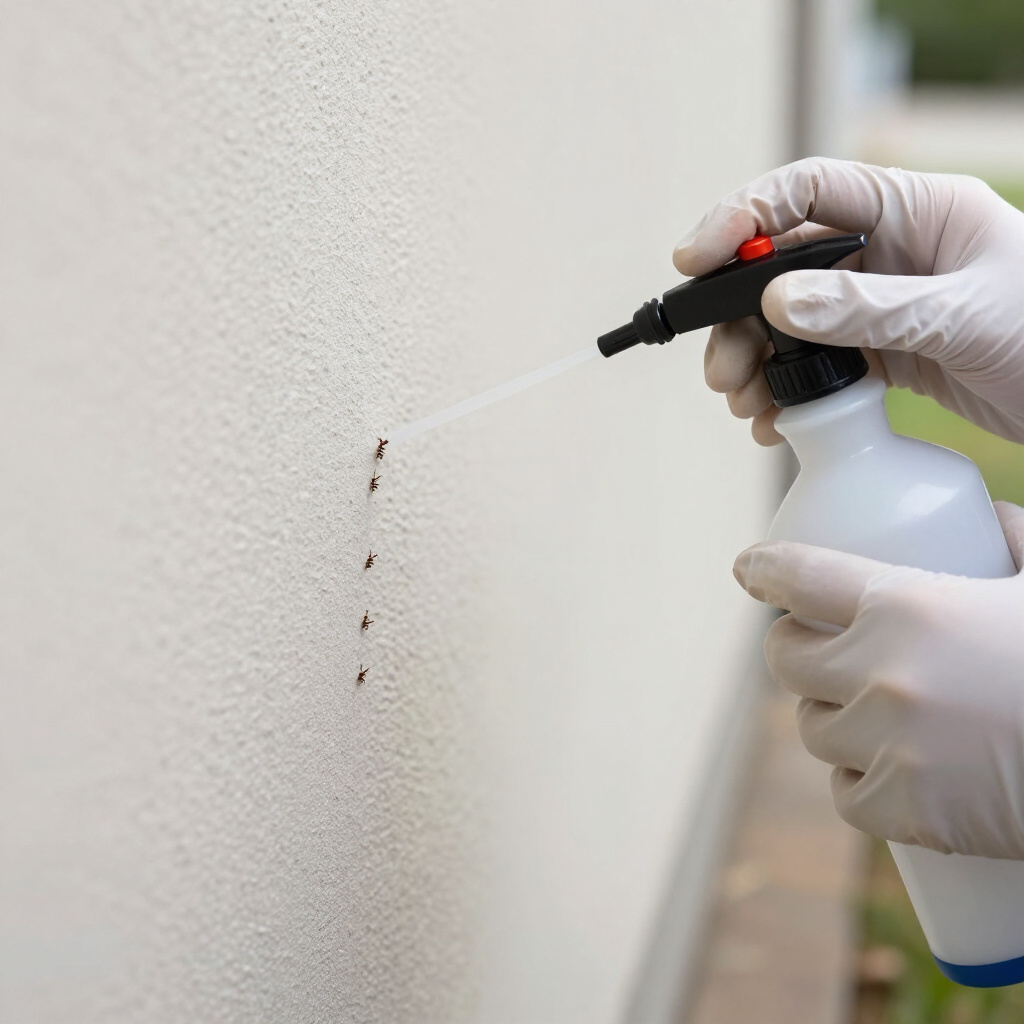
Perhaps most importantly, manage other insect populations. A spider-free home requires eliminating their food supply. Regular cleaning, proper food storage, and addressing ant, fly, or cockroach problems remove the incentive for spiders to move in.
Key Tips for Ongoing Spider Prevention
Consistency transforms one-time efforts into lasting protection. Integrate these practices into your regular home maintenance routine.
Clean strategically and regularly. Vacuuming does double duty by removing both spiders and their prey. Pay attention to corners, ceiling joints, behind furniture, and under appliances where webs accumulate. Use a vacuum with a hose attachment to reach high corners and dispose of the bag or canister contents outside immediately.
Apply natural deterrents cautiously. Essential oils like peppermint, tea tree, and eucalyptus receive attention as spider repellents. While evidence of their effectiveness is mixed, many homeowners report success mixing several drops with water in a spray bottle and applying to entry points. Reapplication every few days is necessary as scents fade. Diatomaceous earth spread in dry, undisturbed areas can also deter spiders, though it requires reapplication after moisture exposure.
Maintain your perimeter seasonally. Spring and fall represent peak spider activity as they seek mates and shelter. Schedule thorough exterior inspections during these transitions. Clear autumn leaves promptly, as they provide both habitat and bridge access to your home. Check and refresh seals and screens before cold weather drives spiders indoors.
Address moisture systematically. Beyond fixing leaks, ensure your gutters function properly. Clogged gutters create moisture problems along your roofline and foundation—prime spider territory. Direct downspouts away from your home, and ensure the ground slopes away from your foundation to prevent water accumulation.
Know when professional help makes sense. If you're encountering venomous species like black widows or brown recluses, or if spider populations persist despite your efforts, professional pest control provides targeted, safe solutions. Experts can identify species, locate hidden harborage, and apply appropriate treatments that complement your prevention work.
Final Thoughts
Learning how to keep spiders out of your house combines practical home maintenance with an understanding of spider behavior. No single tactic provides complete protection, but layering exclusion methods, environmental modifications, and consistent cleaning creates a home that's genuinely unwelcoming to arachnid visitors. The effort you invest not only reduces spider encounters but also improves your home's energy efficiency, structural integrity, and overall comfort. Start with the most accessible changes—sealing obvious gaps and reducing clutter—and build your prevention system over time. With persistence, you can enjoy a home where the only webs you encounter are the digital kind.