
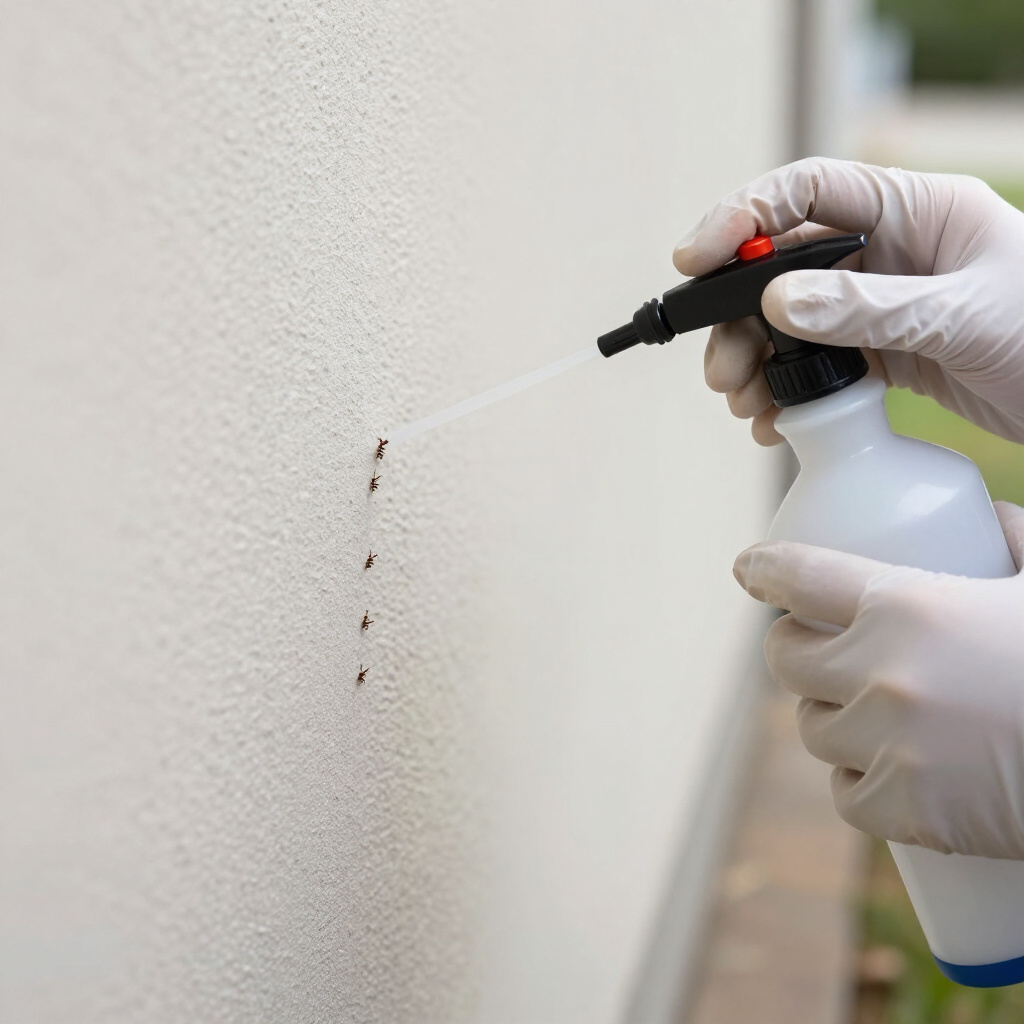


There's nothing quite like the sinking feeling of spotting a trail of ants marching across your kitchen counter or discovering them swarming around a forgotten crumb. These tiny invaders seem to appear out of nowhere, and once they've established a scent trail, they rarely come alone. The good news? A few strategic changes to your habits and home maintenance routine can make your space far less appealing to ants—and keep them outside where they belong.
How to Prevent Ants From Invading Your Home with Smart Food Storage
Ants are relentless foragers, and your kitchen is essentially an all-you-can-eat buffet if food isn't stored properly. The first and most important step in ant prevention is eliminating easy access to food sources.
Start by transferring pantry staples like sugar, flour, cereal, and pet food into airtight containers with tight-fitting lids. Ants can squeeze through remarkably small openings, so flimsy packaging or partially closed bags won't slow them down. Glass, metal, or thick plastic containers with rubber seals work best. Don't forget about less obvious attractants: the sticky residue on honey jars, oil bottles, and jam containers. Wipe down the exterior of all food containers before returning them to cupboards.
Refrigerate ripe fruit rather than leaving it in a bowl on the counter, and avoid letting dirty dishes sit overnight. Even a small amount of dried sauce on a plate can draw attention from scout ants. If you have pets, pick up food bowls between meals and store dry pet food in sealed containers rather than the original bags.
Seal Entry Points Before Ants Find Them
Ants can enter through gaps as narrow as a credit card's edge, so a thorough inspection of your home's exterior and interior is essential. Walk around your house and examine windows, doors, utility openings, foundation cracks, and areas where pipes or wires enter the structure.
Apply silicone caulk to seal cracks and crevices, paying special attention to kitchen and bathroom areas where moisture and food converge. Install door sweeps on exterior doors and repair torn window screens promptly. Don't overlook your home's foundation—small soil-grade gaps or cracks in concrete can serve as highways for entire colonies.
Inside your home, check baseboards, cabinets, and behind appliances for gaps. While you're at it, address moisture issues: ants need water too, and leaky faucets, condensation, or damp basements create ideal conditions. Fix plumbing problems quickly and ensure bathrooms and kitchens have adequate ventilation.
Maintain Your Yard and Outdoor Spaces
Effective ant prevention extends beyond your four walls. Your landscaping choices and yard maintenance habits significantly influence whether ants view your property as desirable real estate.
Keep tree branches, shrubs, and mulch at least twelve inches from your foundation—ants use vegetation as bridges to access your home. Trim back any plants that touch exterior walls or rooflines. Firewood stacks, compost bins, and decorative rocks should also sit well away from the house, as these are prime nesting spots.
Manage moisture in your yard by fixing poor drainage, cleaning clogged gutters, and avoiding overwatering. Consider using inorganic mulch like gravel near the foundation instead of wood chips, which retain moisture and attract both ants and termites. Regularly inspect outdoor trash bins for leaks and keep lids tightly closed.
Key Tips for Keeping Ants Away Long-Term
Consistency matters more than any single action when it comes to ant prevention. Integrate these practices into your regular routine for lasting protection.
Clean strategically by wiping down counters, sweeping floors, and vacuuming crumbs daily—especially in dining areas and under appliances where food particles accumulate. Use a vinegar-based cleaning solution on counters and floors; it removes the scent trails ants follow and acts as a mild natural deterrent. Empty indoor trash frequently and use bins with lids.
For natural deterrents, consider placing strong-scented substances near known entry points. Cinnamon, peppermint oil, coffee grounds, and citrus peels can discourage ants, though these work best as supplements rather than standalone solutions. Diatomaceous earth spread in thin layers along baseboards and entry points can provide physical protection, but must stay dry to remain effective.
Monitor proactively by checking previously active areas seasonally. Ant behavior shifts throughout the year—spring often brings reproductive swarms, while summer drives foraging indoors, and fall pushes colonies to seek shelter from cooling temperatures. Understanding these patterns helps you anticipate and prevent invasions.
Know when to seek professional help. If you notice large numbers of ants, multiple species, or signs of carpenter ants (sawdust-like frass, rustling in walls), DIY methods may not suffice. Persistent ant problems often indicate a hidden nest or structural issue requiring expert identification and targeted treatment.
Final Thoughts
Preventing ants from invading your home comes down to making your space inhospitable while closing off their opportunities to enter. Store food properly, maintain rigorous cleanliness, seal every accessible crack, and manage your outdoor environment thoughtfully. These steps require some initial effort, but they become second nature with practice—and far preferable to dealing with an established infestation. Stay vigilant, act quickly at the first sign of scouts, and enjoy the peace of mind that comes with an ant-free home.