
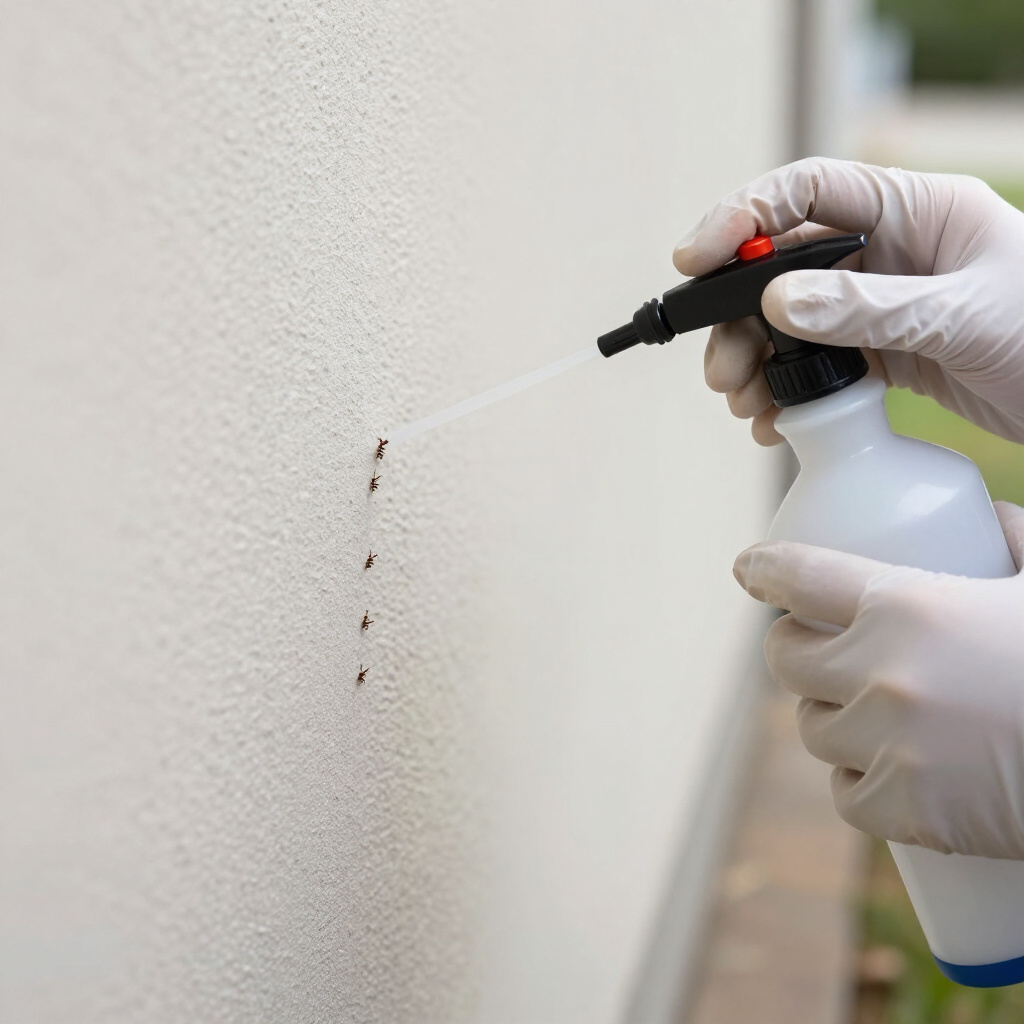


Few things disrupt the comfort of home quite like discovering unwanted guests scurrying across your kitchen floor or hearing mysterious scratching in the walls. Whether you're a new homeowner or have lived in your space for decades, understanding which pests pose the biggest threat—and how to keep them out—is essential for protecting your property and your family's wellbeing. The good news? Most infestations are entirely preventable with the right knowledge and consistent habits.
Most Common Household Pests and How to Prevent Them
Every region has its own pest challenges, but certain invaders show up in homes nationwide regardless of climate or geography. Recognizing these culprits early and understanding their behavior is your first line of defense.
Ants top the list of nuisance pests, with species ranging from odorous house ants to destructive carpenter ants. These social insects leave pheromone trails that invite entire colonies indoors once a food source is discovered. Prevention starts with eliminating their motivation: store dry goods in airtight containers, wipe down counters immediately after food preparation, and address moisture issues around sinks and windowsills. Seal cracks along baseboards, windows, and doors with silicone caulk, and trim vegetation away from your home's exterior to remove natural bridges indoors.
Cockroaches represent one of the most resilient pest challenges, thriving in warm, humid environments with access to food and water. German cockroaches in particular reproduce rapidly, turning a minor sighting into a major infestation within weeks. Focus prevention efforts on moisture control—repair leaky faucets, improve ventilation in bathrooms, and use dehumidifiers in damp basements. Eliminate cardboard storage boxes, which provide both harborage and food, and maintain rigorous cleaning routines in kitchens where grease and crumbs accumulate.
Rodents including mice and rats pose serious concerns beyond property damage. Their constant gnawing can compromise electrical wiring, creating fire hazards, while their droppings and urine contaminate surfaces and trigger allergic reactions. Rodent prevention demands structural vigilance: inspect your home's exterior for gaps larger than a quarter-inch, especially where utility lines enter, and seal openings with steel wool, copper mesh, or concrete rather than materials rodents can easily chew through. Maintain secure food storage and remove outdoor attractants like fallen fruit, birdseed, or unsecured garbage.
Termites silently destroy wooden structures, often causing extensive damage before detection. Subterranean termites require soil contact and moisture, making foundation maintenance critical. Ensure proper grading directs water away from your home, maintain gutters and downspouts, and eliminate wood-to-soil contact around the perimeter. Schedule professional inspections annually, as early identification saves thousands in repair costs.
Spiders, while beneficial predators outdoors, become problematic when populations grow indoors. Most species enter seeking prey—other insects. Reducing their food source through general pest prevention naturally limits spider presence. Remove webs promptly, seal entry points, and reduce clutter in storage areas where spiders establish harborage. Pay special attention to basements, attics, and garages where undisturbed conditions appeal to these arachnids.
Bed bugs have resurged dramatically, spreading through travel, secondhand furniture, and multi-unit housing. These nocturnal blood-feeders hide in mattress seams, furniture crevices, and wall voids. Prevention requires vigilance: inspect hotel rooms before settling in, launder travel clothing on high heat immediately upon return, and carefully examine any used furniture before bringing it home. Encase mattresses and box springs to eliminate hiding spots and enable early detection.
Seasonal Pest Prevention Strategies
Pest pressure fluctuates throughout the year, and aligning your prevention efforts with seasonal patterns improves effectiveness significantly.
Spring brings reproductive activity and renewed foraging. Inspect and repair window screens, check weatherstripping on doors, and address any winter damage to your home's exterior that might create entry opportunities. Begin outdoor maintenance early: clear leaf litter, clean gutters, and prepare garden beds without creating excessive mulch buildup against foundations.
Summer heat drives many pests indoors seeking cooler temperatures and moisture. Maintain air conditioning drip pans and drainage lines, as standing water attracts multiple pest species. Increase garbage removal frequency during hot weather, and keep outdoor cooking areas meticulously clean.
Fall triggers overwintering behaviors, with pests seeking protected harborages. This is your critical window for comprehensive exterior sealing. Inspect rooflines, soffits, and chimney caps for gaps. Store firewood at least twenty feet from your home and elevate it off the ground to discourage rodent nesting and termite attraction.
Winter indoor activity often reveals established infestations. Use this quieter period for deep cleaning in overlooked areas—behind appliances, inside cabinet voids, and throughout storage spaces. Monitor for signs of activity and address issues before spring reproduction accelerates problems.
Key Tips for Long-Term Pest Management
Sustainable pest prevention integrates multiple strategies rather than relying on any single approach. Consider these foundational practices for lasting protection.
Moisture management underpins effective prevention for virtually every common household pest. Conduct regular inspections of plumbing systems, roofing, and drainage infrastructure. Even minor leaks create conditions that sustain pest populations indefinitely. Install proper ventilation in crawl spaces and attics, and use moisture barriers where appropriate.
Landscaping choices significantly impact pest pressure. Maintain plantings with adequate spacing for air circulation, reducing humid microclimates. Select pest-resistant plant varieties when possible, and position decorative plantings away from immediate foundation contact. Consider the mature size of trees and shrubs to prevent future roof access or shading that promotes moisture retention.
Storage practices inside your home deserve attention. Use plastic containers with tight-fitting lids rather than cardboard, which feeds cockroaches and silverfish while providing harborages for multiple species. Elevate stored items in basements and garages, and implement first-in-first-out rotation for pantry goods to prevent expired items from attracting pests.
Professional partnerships provide invaluable expertise, particularly for termite monitoring, complex rodent exclusions, or established infestations. Even dedicated DIY practitioners benefit from periodic professional inspections that identify vulnerabilities before they become active problems. The investment in prevention consistently costs less than remediation.
Final Thoughts
Protecting your home from common household pests requires consistent attention rather than dramatic intervention. The most successful approaches combine diligent sanitation, proactive maintenance, and strategic exclusion—addressing the conditions that attract pests before populations establish. Start with the vulnerabilities most relevant to your home's age, construction, and location, then expand your prevention program systematically. Remember that early detection always simplifies resolution: a single ant trail or mouse dropping warrants immediate investigation, not dismissal. With informed, ongoing effort, you can maintain the comfortable, pest-free environment your family deserves.