

When ants march across your kitchen counter or aphids cluster on your tomato plants, reaching for a harsh chemical spray might feel like your only option. But more homeowners are discovering that natural pest control methods can be surprisingly effective—and far safer for families, pets, and the environment. The key is knowing which approaches actually deliver results and how to use them strategically. Let's explore proven natural solutions that tackle real pest problems without relying on synthetic pesticides.
Natural Pest Control Methods for Common Household Invaders
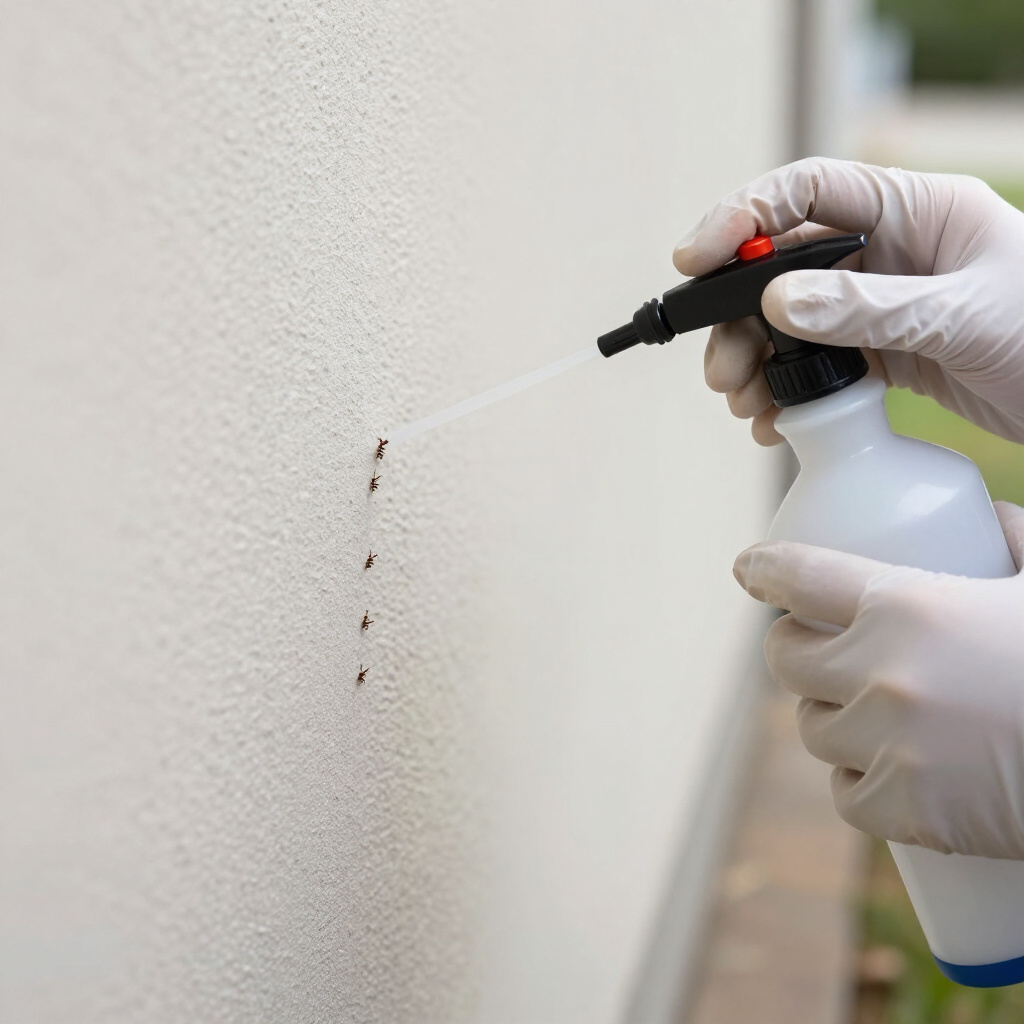
Not every natural remedy you read about online works as advertised. However, several natural pest control methods have stood up to repeated testing and real-world use. For ants, a simple solution of equal parts white vinegar and water disrupts the pheromone trails they use to navigate. Spray it along baseboards, entry points, and countertops where you've spotted activity. Unlike chemical ant killers that only eliminate visible workers, this approach confuses the colony's foraging patterns when applied consistently.
Diatomaceous earth deserves special mention as one of the most versatile natural pest control methods available. This fine powder consists of fossilized aquatic organisms that damage the exoskeletons of crawling insects like ants, cockroaches, and silverfish. When pests crawl across treated areas, the microscopic sharp edges cause them to dehydrate and die. Food-grade diatomaceous earth is safe to use around pets and children, though you should avoid inhaling the dust during application. Sprinkle it in cracks, behind appliances, and in other hidden areas where pests travel.
For flying insects like fruit flies, a small dish of apple cider vinegar covered with plastic wrap and punctured with tiny holes creates an effective trap. The fermentation scent attracts the flies, and once inside, they cannot escape. This method works particularly well when combined with removing the overripe produce that initially draws them into your home.
Natural Pest Control Methods for Garden and Outdoor Spaces
Your vegetable garden and ornamental plants face their own pest pressures, and natural pest control methods can protect your harvest without leaving chemical residues on food crops. Neem oil, extracted from the seeds of the neem tree, functions as both a repellent and growth disruptor for hundreds of insect species. When applied to foliage, it deters feeding and interferes with pest reproduction. It works against aphids, whiteflies, spider mites, and many common caterpillars. Apply neem oil in early morning or evening to avoid leaf burn, and reapply after rain.
Companion planting represents one of the oldest natural pest control methods still in use today. Certain plant combinations naturally repel pests or attract beneficial insects that prey on problem species. Marigolds release compounds from their roots that deter nematodes in the soil. Basil planted near tomatoes repels flies and mosquitoes while possibly improving tomato flavor. Nasturtiums serve as trap crops, drawing aphids away from more valuable vegetables. This approach requires planning and patience but creates a more balanced garden ecosystem over time.
Physical barriers also qualify as natural pest control methods when used thoughtfully. Row covers of lightweight fabric protect tender seedlings from flea beetles, cabbage worms, and other chewing insects while allowing light and water through. Copper tape around raised beds creates a mild electrical charge that deters slugs and snails without harming them. Handpicking larger pests like tomato hornworms or Japanese beetles remains labor-intensive but highly effective for small gardens.
Beneficial insects deserve encouragement in any natural pest management strategy. Ladybugs, lacewings, and predatory wasps consume enormous quantities of aphids, scale insects, and caterpillars. Attract and retain these allies by planting diverse flowering species, providing water sources, and avoiding broad-spectrum treatments that harm insects indiscriminately. A single ladybug may consume thousands of aphids during its lifetime, making this one of the most efficient natural pest control methods available.
Key Tips for Success with Natural Approaches
Natural pest control methods require a shift in mindset compared to chemical alternatives. Prevention plays a much larger role. Seal cracks and gaps around your home's exterior with caulk or steel wool to block entry points. Maintain dry conditions, as moisture attracts many pests including silverfish, centipedes, and cockroaches. Store food in airtight containers and clean up crumbs promptly to eliminate the attractants that draw pests inside in the first place.
Timing and persistence matter significantly. Natural treatments often work more gradually than chemical knockdowns, so apply them at the first sign of problems rather than waiting for infestations to establish. Reapplication is typically necessary, especially outdoors where rain and sunlight break down natural compounds faster than synthetic alternatives.
Know when to combine methods. The most effective natural pest control programs integrate multiple tactics: physical removal, habitat modification, biological controls, and targeted natural products. No single approach solves every problem, but layered strategies address pests from several angles simultaneously.
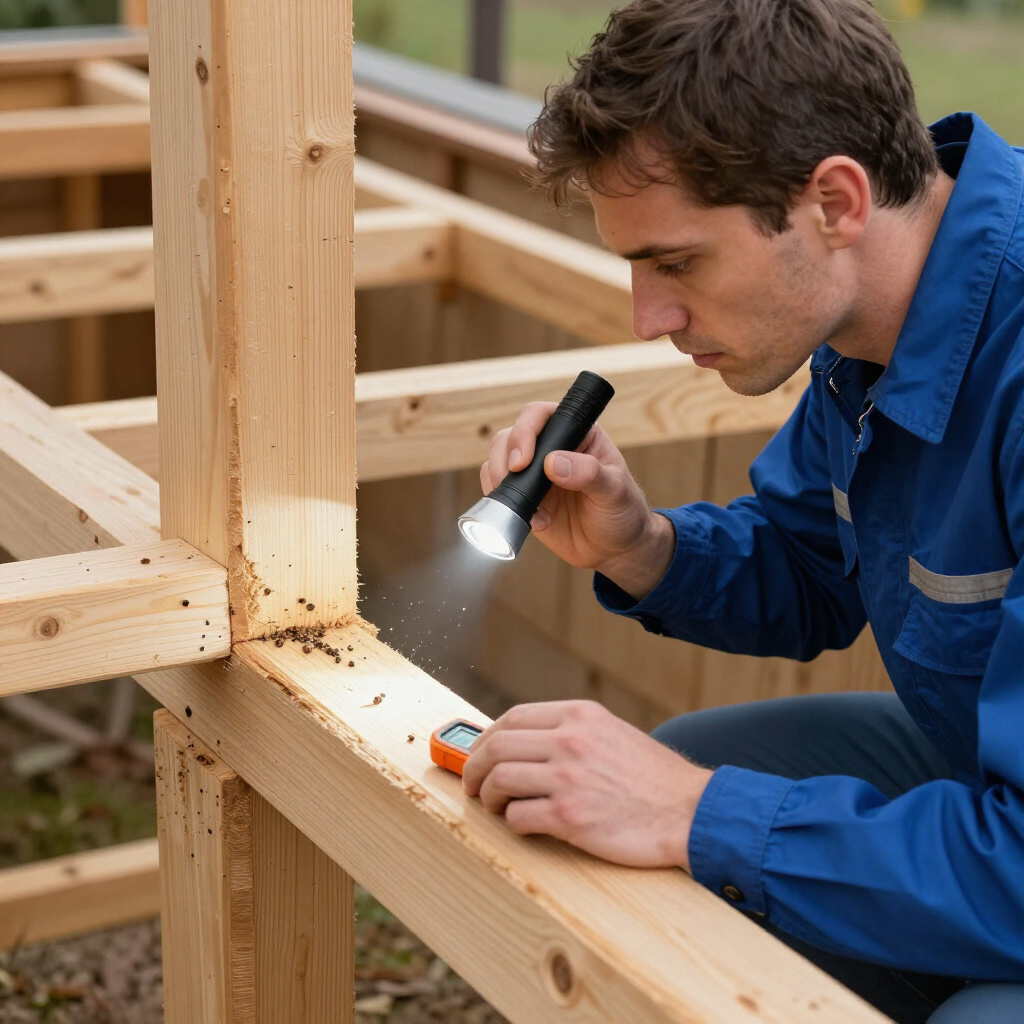
Finally, recognize the limits of any pest management approach. Severe infestations of termites, bed bugs, or stinging insects may require professional intervention regardless of your preferred methods. Natural pest control methods excel at prevention and management of moderate problems, but established colonies of destructive pests sometimes need more aggressive treatment to protect your home's structure or your family's safety.
Final Thoughts
Natural pest control methods offer genuine alternatives to synthetic pesticides when applied with knowledge and consistency. From vinegar solutions and diatomaceous earth in the home to neem oil and companion planting in the garden, these approaches protect your living spaces while reducing chemical exposure. The most successful natural pest management combines multiple tactics, emphasizes prevention, and maintains realistic expectations about the effort required. Start with the specific pest you're facing, choose evidence-based natural methods suited to that situation, and adjust your strategy based on results. Over time, you'll develop an effective, sustainable approach that keeps pests in check without compromising your health or environmental values.