
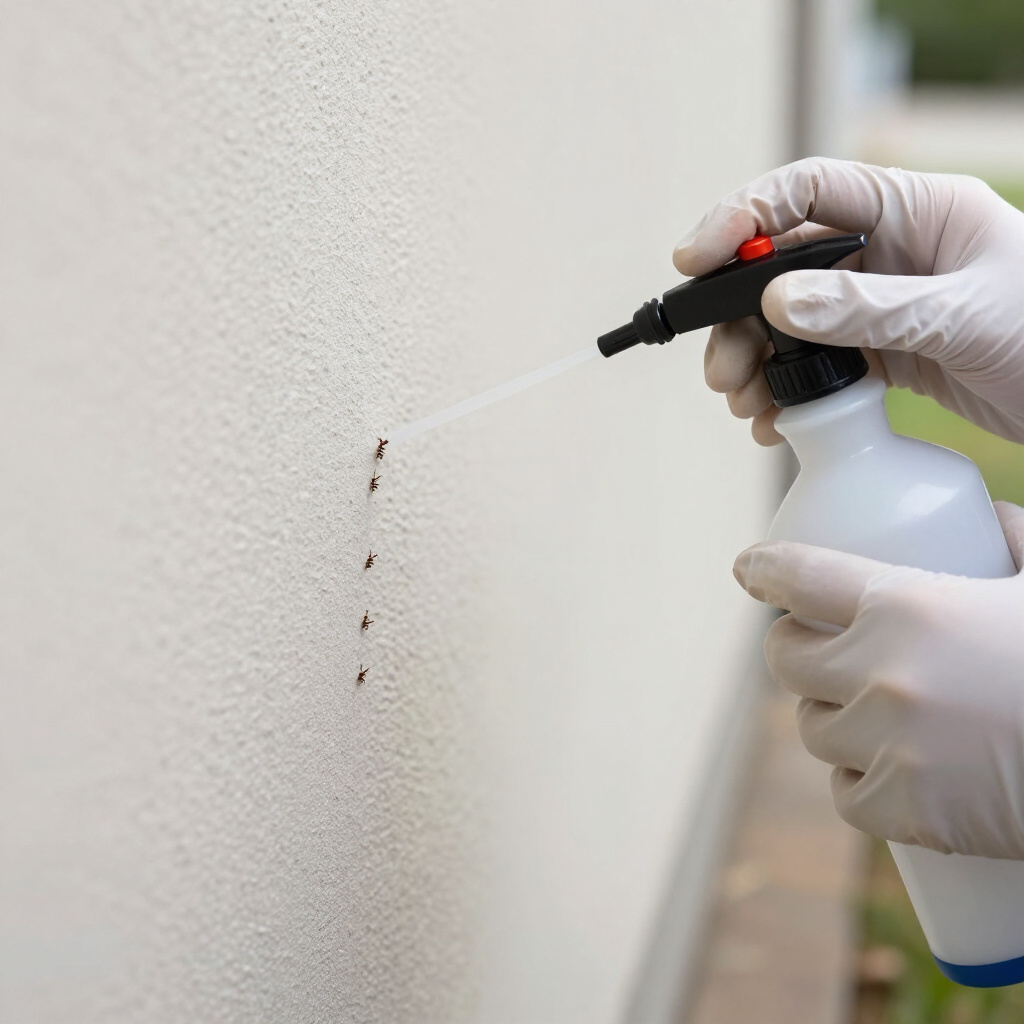


Pests don't take vacations—and neither should your home protection routine. Whether it's ants marching through your kitchen in July or mice seeking shelter in your attic come November, every season brings its own unwelcome visitors. The good news? A proactive, seasonal approach to pest control can save you stress, money, and the discomfort of dealing with a full-blown infestation. This seasonal pest control checklist will walk you through exactly what to do, when to do it, and how to keep your home protected all year long.
Your Spring Pest Control Checklist
As temperatures rise and dormant pests become active, spring is your opportunity to get ahead of the problem before it multiplies—literally.
Inspect and seal entry points. Winter weather can damage caulk, weatherstripping, and screens. Walk around your home and look for gaps around windows, doors, utility lines, and foundation cracks. Even a quarter-inch opening is wide enough for mice, and smaller gaps welcome ants and spiders.
Clear standing water. Spring rains create breeding grounds for mosquitoes. Check gutters, flowerpot saucers, birdbaths, and low spots in your yard. Empty or refresh water sources weekly to interrupt mosquito life cycles.
Trim vegetation and mulch wisely. Overgrown shrubs and wood mulch pressed against your foundation act as pest highways. Maintain a six-inch gap between soil or mulch and your siding, and trim branches away from your roofline.
Schedule a professional inspection. Spring is ideal for identifying early signs of termite swarms, carpenter ant activity, or wasp nest construction before they establish fully.
Your Summer Pest Control Checklist
Summer brings peak pest pressure. Warmth and humidity accelerate breeding, and open windows and outdoor living create more opportunities for invasion.
Maintain rigorous sanitation indoors. Ants, fruit flies, and cockroaches are drawn to even trace food residues. Wipe counters daily, store pantry items in sealed containers, and don't let pet food sit overnight. Take garbage out regularly and use bins with tight-fitting lids.
Protect your outdoor spaces. Wasps and hornets often build nests under eaves, in sheds, or within playground equipment. Inspect these areas monthly. If you grill frequently, clean grease traps and keep the area free of food debris that attracts stinging insects.
Manage moisture aggressively. High humidity invites silverfish, centipedes, and millipedes indoors. Run dehumidifiers in basements and crawl spaces, fix leaky faucets promptly, and ensure bathrooms have adequate ventilation.
Check luggage and secondhand items. Summer travel season coincides with peak bed bug activity. Inspect hotel rooms before unpacking, and carefully examine any used furniture or clothing before bringing it into your home.
Your Fall Pest Control Checklist
As daylight shortens and temperatures drop, pests begin their search for winter shelter. Your warm, food-filled home becomes increasingly attractive.
Fortify your perimeter now. This is your last best chance to seal gaps before rodents become desperate. Install door sweeps, repair damaged vents and screens, and stuff steel wool into larger openings—rodents cannot chew through it.
Clean gutters thoroughly. Clogged gutters overflow and saturate your foundation, creating ideal conditions for pests. The accumulated organic matter also attracts insects that feed on decaying leaves.
Store firewood properly. Keep firewood at least twenty feet from your home and elevated off the ground. Stack it away from structures to prevent termites, carpenter ants, and rodents from using it as a bridge to your house.
Inspect the attic and basement. These quiet, undisturbed spaces are prime targets for overwintering pests. Look for droppings, gnaw marks, nesting materials, or insect casings. Install adequate lighting to discourage spiders and make inspections easier.
Your Winter Pest Control Checklist
Cold weather doesn't eliminate pest problems—it changes them. Pests that found their way indoors in fall now settle in, while others may already be dormant within your walls.
Monitor for indoor activity. Mice and rats remain active year-round indoors. Listen for scratching in walls or ceilings, especially at night. Check pantry packages for gnaw marks or spilled contents. Set traps in suspected pathways, positioned perpendicular to walls where rodents travel.
Maintain your defensive barriers. Snow and ice can damage exterior seals. After major weather events, do a quick visual inspection from inside your basement or crawl space, looking for new light penetration that indicates gaps.
Manage indoor humidity. Dry winter air drives some pests deeper into your home, while over-humidified spaces still attract trouble. Aim for thirty to fifty percent relative humidity throughout your house.
Plan ahead for spring. Winter is the perfect time to research pest control services, read reviews, and schedule your annual inspection before the spring rush. Many companies offer early-booking discounts or winter maintenance programs.
Key Tips for Year-Round Success
Beyond seasonal tasks, certain habits provide continuous protection regardless of the calendar.
Develop a documentation routine. Keep a simple log of pest sightings, evidence found, and actions taken. This helps identify patterns—perhaps ants always appear after heavy rain, or mice invade following the first freeze—and allows more targeted, effective responses.
Understand your local pest pressures. A homeowner in Florida faces different challenges than one in Minnesota. Learn which species are prevalent in your region and when they're most active. Local extension services and reputable pest control companies are excellent resources.
Know when to call professionals. DIY measures handle many situations, but certain scenarios demand expert intervention: recurring infestations despite your efforts, signs of structural pests like termites, stinging insect nests in high-traffic areas, or any pest problem causing significant stress or health concerns. Licensed technicians have access to more effective tools and can identify underlying conditions you might miss.
Practice integrated pest management. This approach combines multiple strategies—physical barriers, sanitation, habitat modification, and targeted treatments—rather than relying solely on chemicals. It's more sustainable, often more effective long-term, and safer for families and pets.
Final Thoughts
Consistent, seasonally adapted pest control transforms an overwhelming problem into a manageable routine. By addressing spring's awakening pests, summer's peak activity, fall's shelter-seeking rush, and winter's hidden residents, you protect both your property and your peace of mind. The key is timing—acting before infestations establish is always easier, less expensive, and less disruptive than reacting to one already in progress.
Start with this seasonal pest control checklist today, adapt it to your specific home and region, and make it a recurring part of your household maintenance. Your future self, enjoying a pest-free home through every season, will thank you.