

Termites are one of the most destructive pests a homeowner can face, causing billions of dollars in damage each year across the United States. The real danger lies in their stealth—they can chew through wood, flooring, and even wallpaper for years before their presence becomes obvious. By the time most people notice signs of termites, extensive damage may already be done. Learning to recognize the early warning signals can save you from costly repairs and protect the structural integrity of your home.
Common Signs You May Have Termites
Spotting a termite problem early starts with knowing what to look for. These pests leave behind distinct clues if you know where to search. One of the most telling signs you may have termites is the presence of mud tubes. Subterranean termites build these pencil-thin tunnels from soil, wood particles, and saliva to travel between their underground colony and food sources. You'll typically find them along foundation walls, crawl spaces, or exterior surfaces. Break one open—if active termites are inside, you have a current infestation.
Another unmistakable indicator is discarded wings. During swarming season, reproductive termites leave their colony to mate and establish new ones. After they land, they shed their wings in piles near windowsills, doorways, or light fixtures. Finding these small, uniform wings—often described as fish scale-like in appearance—strongly suggests termite activity nearby.
Hollow-sounding wood is another red flag. Tap on baseboards, window sills, or wooden beams with a screwdriver handle. If the wood sounds papery or hollow, termites may have eaten away the interior while leaving a thin veneer intact. This damage often goes hand-in-hand with blistering or darkening on wood surfaces, which can look similar to water damage.
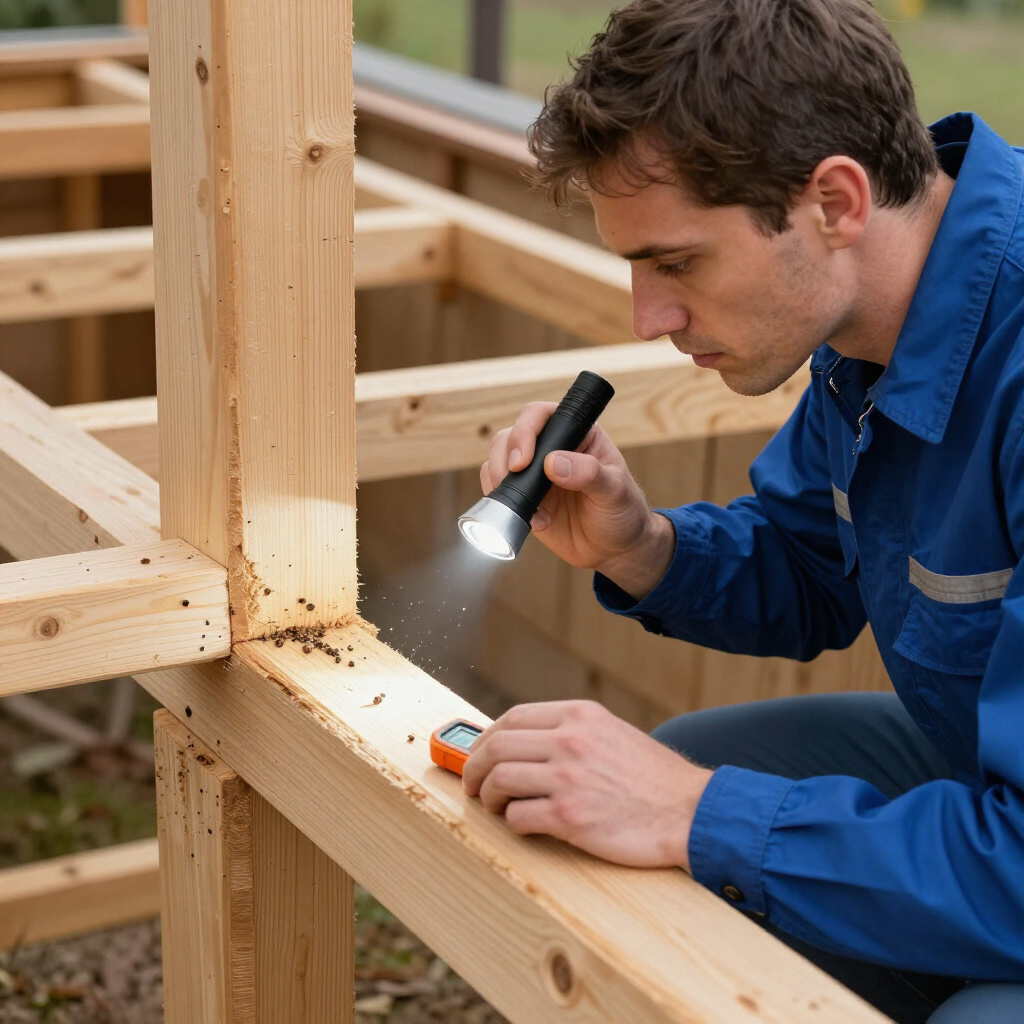
Frass, or termite droppings, is another critical sign. Drywood termites push their feces out of small kick holes near the entrances to their tunnels, creating tiny piles that resemble sawdust or coffee grounds. Unlike subterranean termites, drywood species do not use their waste to build tunnels, so finding frass is a direct indicator of their presence.
Structural and Environmental Warning Signs
Beyond the obvious visual cues, certain structural and environmental changes around your property can point to hidden termite activity. Doors and windows that suddenly become difficult to open or close may indicate termite damage. As these pests consume wood, they generate moisture within the tunnels, causing wooden frames to warp and fit improperly.
Sagging floors, ceilings, or buckling laminate can also signal advanced infestation. Termites compromise the strength of load-bearing elements, leading to visible structural shifts. If your floor feels springy underfoot or your ceiling develops unexplained cracks, it's time to investigate further.
Your yard offers additional warning signs. Dead trees, stumps, or fallen branches with extensive internal hollowness often harbor termite colonies. Check wooden fence posts, mulch beds, and firewood stacks positioned too close to your home—these serve as bridges for termites seeking new food sources. Even landscaping timbers and wooden planters can attract and sustain populations that eventually migrate toward your house.
Moisture problems amplify termite risk considerably. Leaky pipes, poor drainage, and inadequate ventilation in crawl spaces create ideal conditions for these moisture-loving insects. If you've recently dealt with water damage or notice persistently damp areas in your basement or foundation, your vigilance should increase accordingly.
Key Tips for Protecting Your Home
Prevention and early detection work together as your best defense against termite damage. Start with a thorough annual inspection of your property's exterior and interior, paying special attention to the foundation, attic, and any unfinished spaces. Professional pest control companies offer specialized tools—moisture meters, thermal imaging cameras, and acoustic detectors—that can reveal hidden activity invisible to the untrained eye.
Reduce wood-to-soil contact wherever possible. Deck posts, lattice work, and siding should maintain at least six inches of clearance from the ground. Store firewood and lumber on raised platforms well away from your home's perimeter. Replace mulch with rubber or gravel alternatives near the foundation, and ensure gutters direct water several feet from the structure.
Address moisture issues promptly. Repair leaking faucets, improve crawl space ventilation, and install vapor barriers where needed. Consider scheduling a professional termite inspection before buying or selling a home—many lenders actually require this documentation, and it provides invaluable peace of mind.
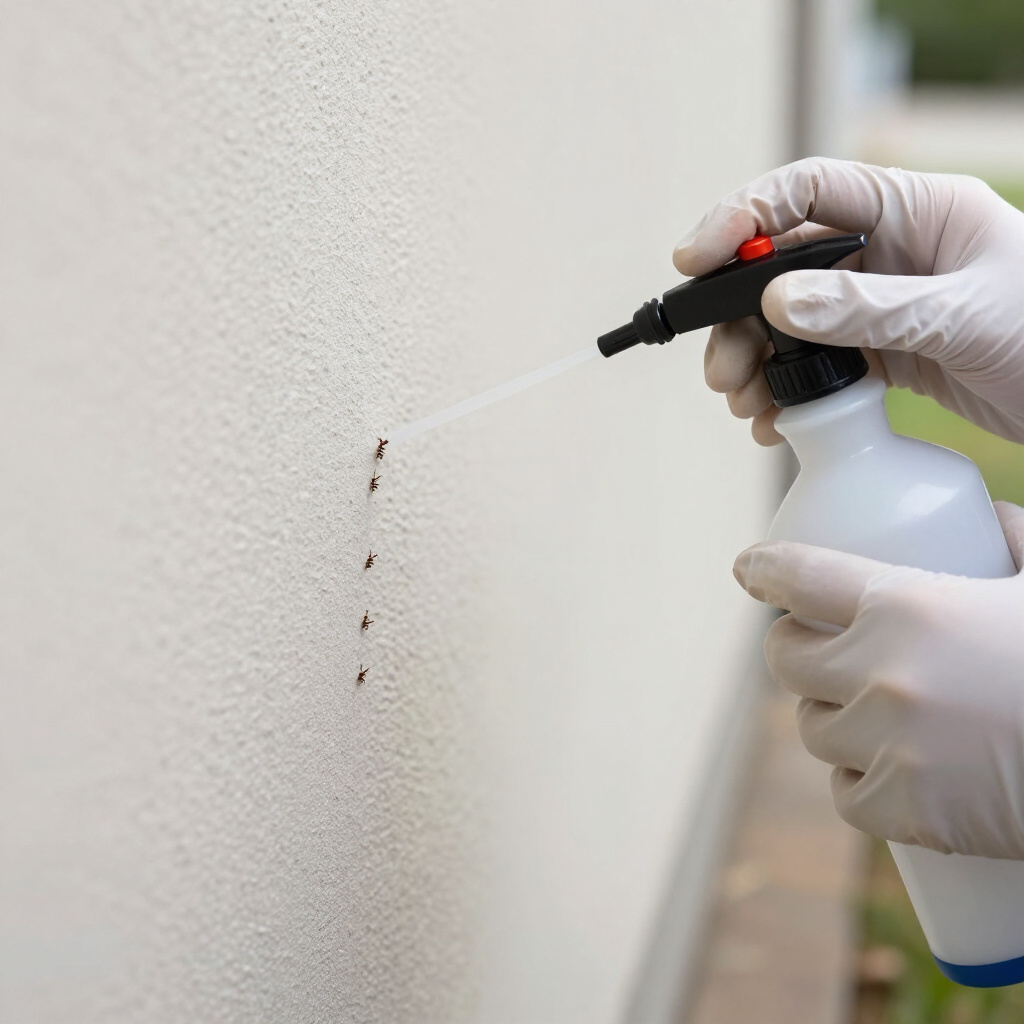
If you do discover signs you may have termites, resist the urge to handle treatment yourself. Store-bought solutions rarely eliminate entire colonies, and improper application can scatter termites deeper into your structure. Licensed pest control professionals can identify the specific species, assess damage extent, and implement targeted treatment plans—whether that's liquid soil barriers, baiting systems, or localized fumigation for drywood varieties.
Final Thoughts
Termites operate silently and efficiently, but they are not invisible. The signs you may have termites are present if you take time to look—mud tubes along foundations, discarded wings after swarms, hollow-sounding wood, and mysterious piles of frass all demand attention. Catching an infestation in its earliest stages can mean the difference between a manageable treatment and extensive, expensive reconstruction. Stay observant, maintain your property's defenses, and partner with qualified professionals when needed. Your home's longevity depends on the vigilance you practice today.