
There's a certain pride that comes with handling household problems yourself. A leaky faucet? You've got a wrench for that. A squeaky door? A little WD-40 does the trick. But when it comes to pests, the line between a quick DIY fix and a problem spiraling out of control can be surprisingly thin. Knowing when to call a pest control professional can save you time, money, and a whole lot of stress down the road. This guide will walk you through the clear warning signs that it's time to put down the spray can and bring in the experts.
When to Call a Pest Control Professional: Clear Warning Signs
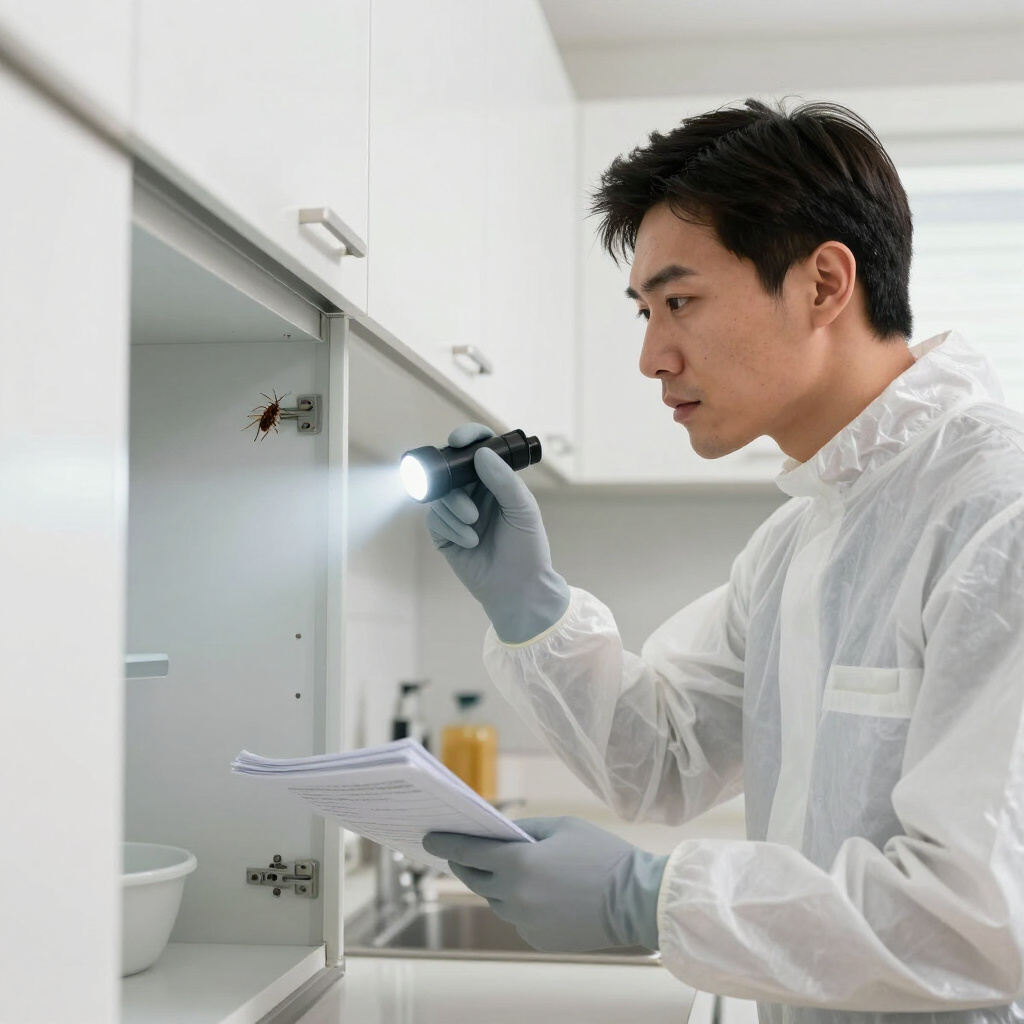
Some pest situations are straightforward enough for a homeowner to manage—a single ant following a crumb trail, or a lone spider in the garage. But certain red flags signal that the problem has moved beyond your control. If you're seeing pests during daylight hours when they typically hide, that's often a sign of overcrowding in their nests or colonies. Rodents, cockroaches, and termites are especially prone to this behavior when their populations explode.
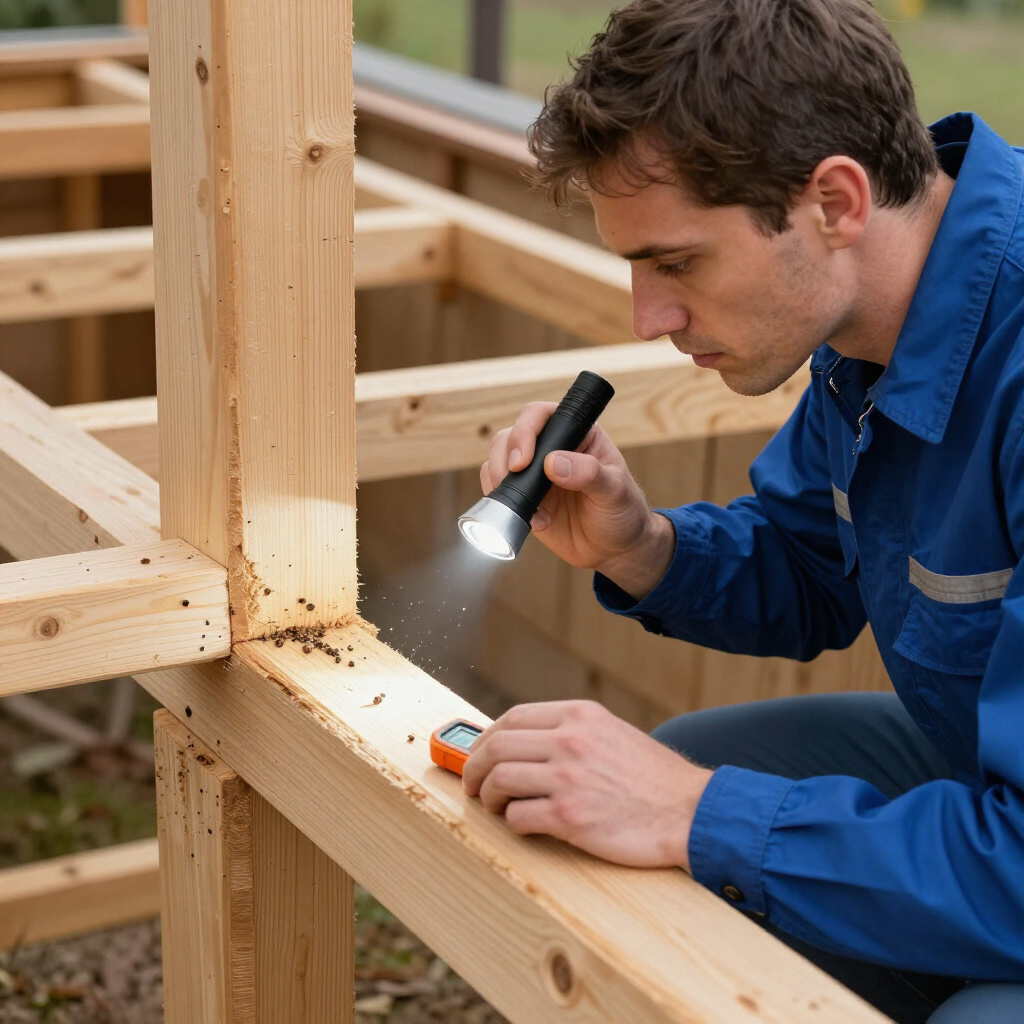
Structural damage is another non-negotiable reason to seek professional help. Termites silently chew through wooden supports, carpenter ants excavate galleries in damp wood, and rodents gnaw on electrical wiring that can create fire hazards. By the time you notice buckling floors, hollow-sounding wood, or frayed wires, the damage has likely been progressing for months. A pest control professional has the training and tools to assess the full scope of the infestation and stop it at its source.
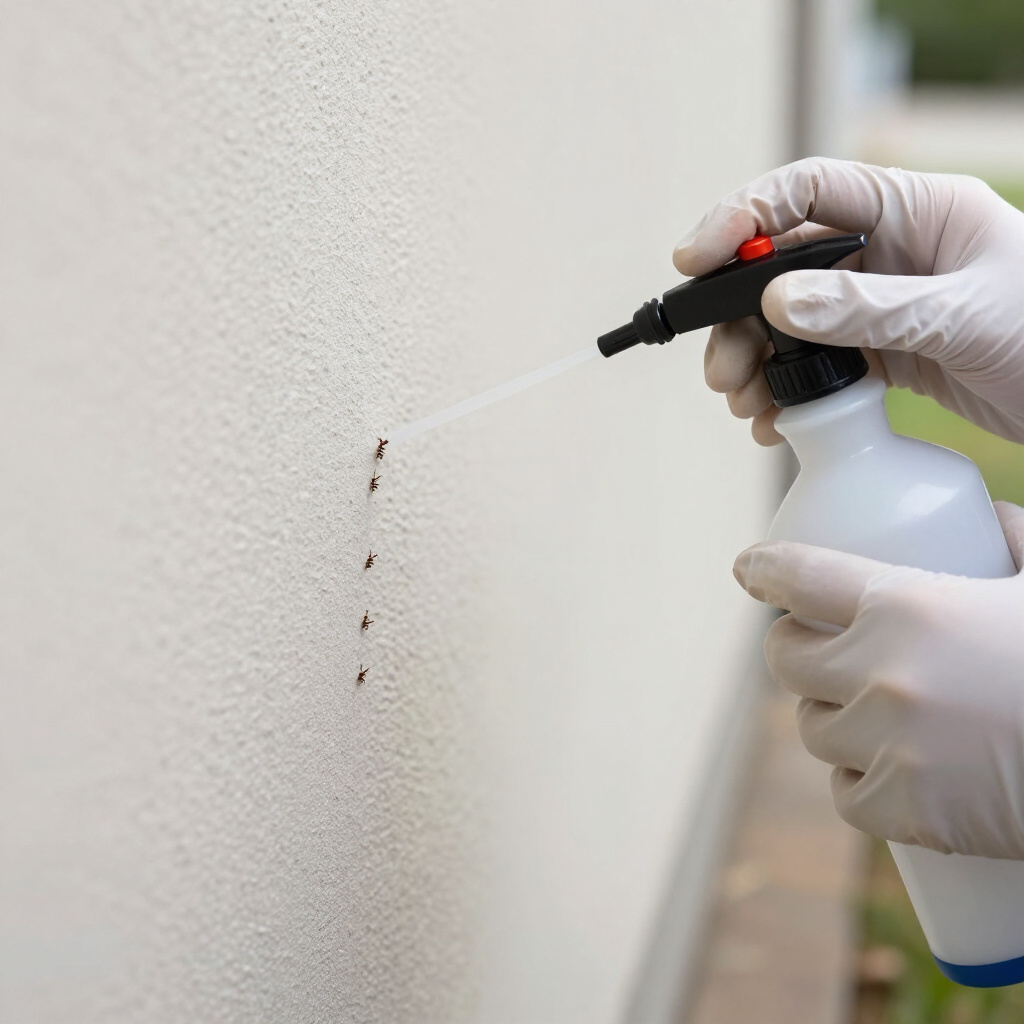
Unexplained odors, droppings in multiple locations, or hearing scratching and rustling sounds within walls also warrant immediate attention. These indicators suggest established nests rather than occasional intruders. Similarly, if you've tried store-bought solutions repeatedly and pests keep returning, you're likely treating symptoms rather than the root cause—something professionals are specifically equipped to address.
Pests That Demand Immediate Professional Intervention
While any persistent pest problem benefits from expert help, certain species pose enough risk that DIY attempts can actually make matters worse. Bed bugs are perhaps the most notorious example. These resilient insects spread rapidly through homes, hide in minuscule crevices, and have developed resistance to many over-the-counter insecticides. Attempting to treat them yourself often scatters them to new areas, turning a contained problem into a house-wide nightmare.
Termites and carpenter ants threaten the literal integrity of your home. Subterranean termites build mud tubes and consume wood from the inside out, while carpenter ants hollow out galleries for nesting. Both can compromise structural elements long before visible damage appears. Pest control professionals use specialized detection equipment like moisture meters, thermal imaging cameras, and acoustic sensors to locate colonies that would otherwise remain hidden.
Stinging insects including wasps, hornets, and Africanized honey bees require particular caution. Disturbing a nest without proper protective equipment and knowledge of the species' behavior patterns can result in serious injury, especially for individuals with allergies. Professionals have the appropriate gear and can often remove nests during low-activity periods to minimize risk.
Wildlife intrusions—raccoons in attics, squirrels in chimneys, bats in eaves—present unique challenges beyond removal. These animals can carry rabies, histoplasmosis, and other diseases. They're also protected by various regulations that govern how and when they can be handled. Licensed pest control professionals understand these legal requirements and can implement exclusion techniques that prevent re-entry without harming the animals or putting your family at risk.
Key Tips for Choosing the Right Professional
Not all pest control services offer the same level of expertise or approach. When selecting a professional, start by verifying their licensing and insurance requirements for your state. Reputable companies willingly provide this information and employ technicians who have completed formal training and continuing education.
Ask about their Integrated Pest Management (IPM) approach. Quality professionals don't simply spray chemicals and leave. They inspect thoroughly, identify contributing conditions like moisture issues or entry points, recommend preventive modifications, and use targeted treatments with minimal environmental impact. They should explain what they're doing, why they're doing it, and what you can expect afterward.
Be wary of high-pressure sales tactics or quotes given without an on-site inspection. Effective pest control requires understanding your specific situation—your home's construction, the surrounding environment, and the extent of infestation. A trustworthy professional takes time to assess these factors before proposing solutions or pricing.
Finally, inquire about guarantees and follow-up protocols. Pest problems often need monitoring and adjustment, particularly for resilient species like bed bugs or German cockroaches. Companies confident in their work typically offer warranties and return visits if issues persist after initial treatment.
Final Thoughts
Recognizing when to call a pest control professional comes down to assessing risk, scale, and your own limits. A single sugar ant in July probably doesn't warrant a service call. But recurring sightings, property damage, potentially dangerous species, or failed DIY efforts all point toward needing trained expertise. The investment in professional intervention early often prevents far costlier repairs, health concerns, or emotional exhaustion from battling an entrenched infestation alone. Trust your instincts—if a pest situation feels overwhelming or keeps you up at night, that's your signal to reach out for help from someone who handles these challenges every day.