
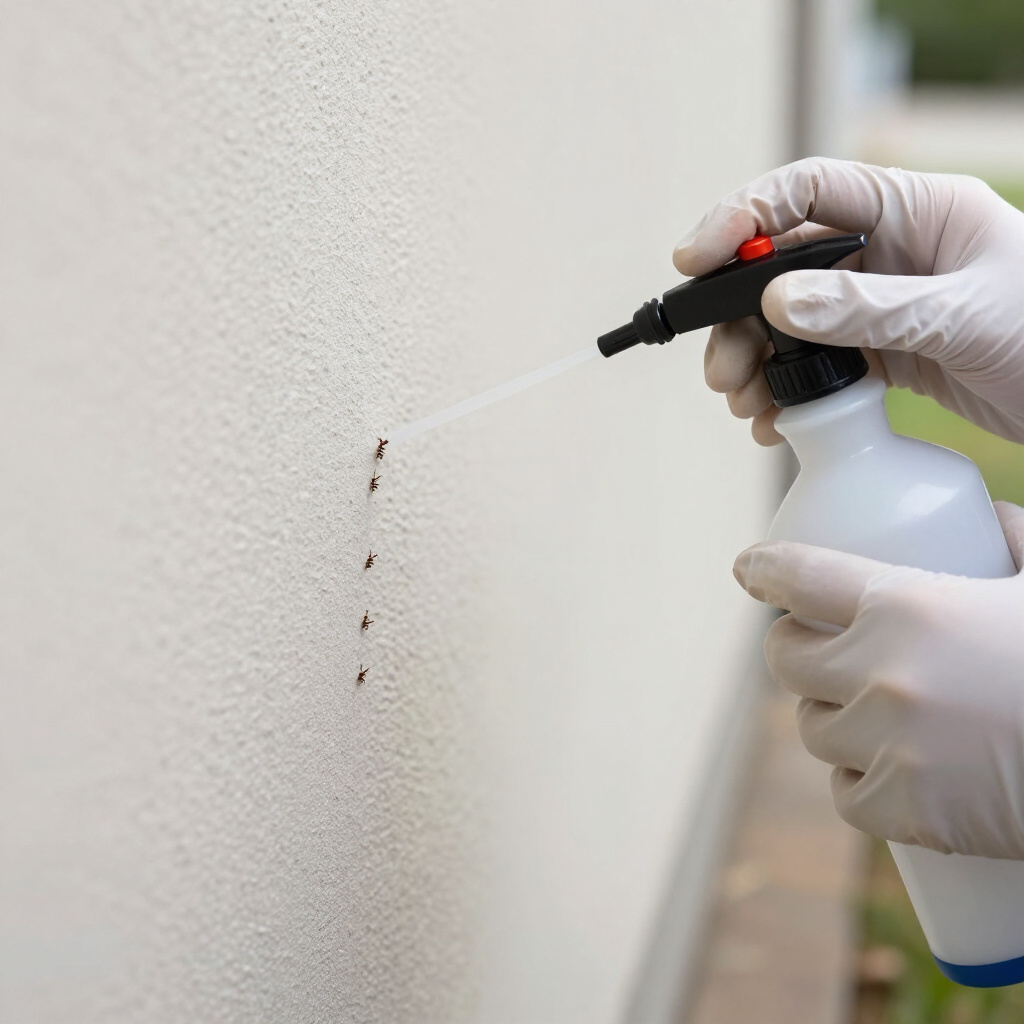


Pest Control Services in Huron, SD
Huron sits at the heart of the James River Valley, where agricultural landscapes meet residential neighborhoods and commercial corridors along Highway 14. This unique geography creates distinct pest pressures that shift with South Dakota's dramatic seasons. From spring ant invasions following snowmelt to fall rodent migrations seeking winter shelter, Huron property owners face year-round challenges that demand localized expertise.
Beadle County's mix of crop fields, river bottomland, and established neighborhoods generates diverse pest habitats. The James River corridor and nearby wetlands provide breeding grounds for mosquitoes and moisture-seeking insects, while grain storage and agricultural operations attract rodents and stored-product pests. Older homes near downtown and newer construction on Huron's edges each present different vulnerability points.
Effective pest management here requires understanding regional patterns: boxelder bugs clustering on south-facing walls each autumn, carpenter ants exploiting water-damaged wood after spring rains, and voles tunneling through turf near the fairgrounds and parks. Treatment timing matters significantly in this climate, where winters kill some populations but drive others indoors.
Residential services address the full spectrum of Huron homes, from historic properties near Campbell Park to ranch-style houses in developing areas. Commercial protection supports the retail district, agricultural businesses, food service operations, and manufacturing facilities that drive the local economy. Specialized programs target the unique needs of grain handling, healthcare environments, and hospitality businesses serving travelers along the cross-country corridor.
Common Pest Questions for Huron Homeowners
What pests are most problematic in Huron during winter months?
Mice and rats top winter concerns as fields empty and temperatures drop. These rodents exploit foundation gaps, utility penetrations, and garage door seals to access heated structures. Cluster flies and boxelder bugs also overwinter in wall voids, emerging on warm January days to alarm residents. Spider activity increases indoors as exterior prey disappears. Professional winterization inspections identify entry points before infestations establish.
How does agricultural activity around Huron affect residential pest pressure?
Beadle County's corn, soybean, and wheat production creates ripple effects. Harvest disturbances displace field mice and voles toward neighborhoods. Grain storage and handling attract insects that may spread to nearby homes. Seasonal tillage and planting cycles directly influence when and where pest populations move. Proximity to the James River Valley's fertile bottomland means higher baseline insect activity than more arid regions of South Dakota.
When should Huron residents schedule preventive pest treatments?
Early spring (March-April) targets emerging ant colonies and breeding mosquitoes before populations explode. Late summer (August-September) focuses on exterior barrier applications before fall migration begins. The specific timing varies annually based on snowmelt, temperature accumulation, and moisture patterns. Properties with prior infestations or those near agricultural fields, water features, or wooded buffers benefit from more frequent monitoring.
Are pest control methods safe for homes with children and pets in Huron?
Modern integrated pest management prioritizes targeted applications over broad chemical coverage. Exterior perimeter treatments using microencapsulated formulations reduce indoor exposure. Bait stations and mechanical controls minimize environmental impact. When interior treatment becomes necessary, gel applications in crack-and-crevice placements keep products away from contact surfaces. Reputable providers discuss specific household concerns and adjust protocols for nurseries, pet areas, and sensitive individuals.